Ofcom 'tightens net' as more sites must guard against spread of child sexual abuse imagery online
The IWF worked closely with Ofcom to secure new, stronger protections online.
16 November 2026
News

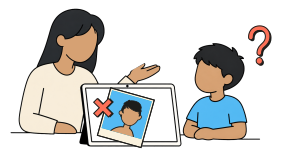
AI tools are increasingly being misused to create or manipulate sexual images of children - and it's happening with everyday photos. Our new guide, produced with the National Crime Agency, gives parents and carers practical steps to review privacy settings, talk to their children, and know what to do if something goes wrong.
Visit our resource page to read or download the guide as a PDF, watch our full series of films, and access our social media pack - including videos, graphics and suggested messaging - to help spread the word.
The IWF worked closely with Ofcom to secure new, stronger protections online.

We’re bringing product and technology leadership together in one executive role at a defining moment for the IWF, as we strengthen our response to the growing threat of online child sexual abuse.

Ministers, MPs and experts joined the IWF at Labour Party Conference to debate social media restrictions for under-16s, AI-generated abuse imagery, and what it will really take to protect children online.

Recognised at the Third Sector Awards and Global Good Awards, our campaign is helping more young people get support when they need it most.
The IWF combines the technical know-how with a deep understanding of the human cost of this awful crime. The organisation's work creates scale and impact to tackle this issue, and Google is proud to work so closely with the IWF.